

How Toxic Workplace Stress Affects Your Health and Life
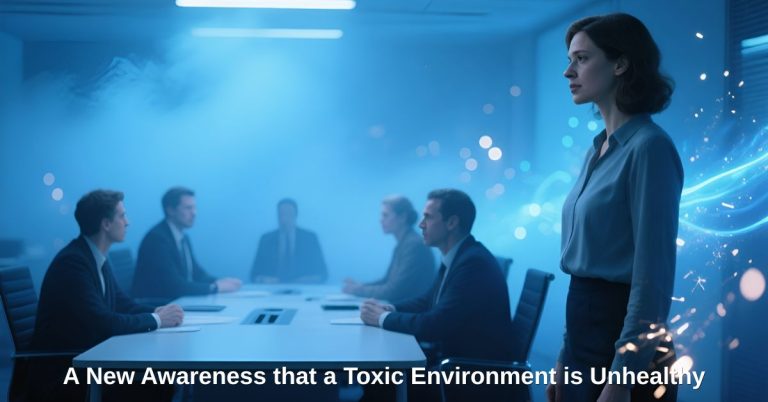
The stress of a toxic workplace affects your body, mind, and the people you love. If your job leaves you tense, drained, or dreading Monday morning, it is not your imagination and you are not weak. Many good, hardworking people sit in offices, shops, and break rooms feeling the same stress you feel. A poor workplace can wear you down. You deserve to understand what is happening and know that you have choices.
Table of Contents
What is a Toxic Workplace?

Job stress happens when your work environment is a mismatch for your abilities, resources, or needs. Over time, that mismatch harms your health, not just your mood. [1] A toxic workplace takes this further. Fear, disrespect, gossip, or steady pressure that leaves you feeling unsafe identifies it. Similar feelings exist among others in the workforce. In one national survey, 15 percent of workers described their workplace as “somewhat or very toxic,” and that number climbed to 24 percent among people living with a mental, emotional, or learning condition. [2]
How the Stress of a Toxic Workplace Affects Your Body

Your body keeps score of the strain you carry at work. Long-term stress raises your risk of high blood pressure, heart disease, stroke, digestive trouble, poor sleep, weight gain, and difficulty with memory and focus. [3] Researchers have measured this clearly. Workers who face heavy job strain show about a 23 percent higher rate of coronary heart disease and roughly a 30 percent higher risk of stroke. [4] These are not small numbers, and they show plainly why your health matters far more than any single paycheck.
How a Toxic Workplace Affects Your Mind and Relationships

The weight of an unhealthy work environment follows you home. People who report a toxic workplace are twice as likely to rate their mental health as fair or poor, and about 76 percent say their work harms their mental health. [2] When stress goes un-managed for months, it can cause burnout. The World Health Organization describes burnout as feeling worn out, having negative feelings about your job, and being unable to do your best work. [5] That exhaustion often spills over at home, leaving you short with your family, or too tired to enjoy the people and pastimes you once loved. Studies show that mental health gets worse the longer a person stays in a stressful job. [6]
Signs It May Be Time to Move On
Sometimes the bravest, most caring thing you can do is to admit a job is hurting you. Watch for warning signs of feeling drained every single day, dreading work, losing sleep, or feeling that you have no say in decisions. Having little control while facing high demands takes a heavy toll on a person’s health. [5] Pay attention to whether you feel valued. Feeling appreciated by an employer keeps people healthier and more willing to stay. Feeling ignored pushes good people toward the door. [8] Trusting your gut here is wise, and it is honest.
Healthy Ways to Move Beyond a Toxic Workplace

Start by naming what bothers you. When you identify your stress triggers and face them directly, you take control of your day. [7] Set clear limits between work and home. Nearly all workers say they want an employer who respects their personal time. [6] Lean on family, longtime friends, and your faith or community. Generations have relied on these steadfast support systems. If the workplace simply will not change, give yourself permission to look elsewhere. Moving on, sometimes literally moving to a new place, often opens the door to an employer who appreciates and respects good people like you. [8] A job that cannot see it does not measure your worth.
A Guide to Help You Through

If this struck a chord with you, there is more help waiting. Understanding & Overcoming Stress - Is Your Life Under Water? walks with you step by step, with practical tools to recognize stress, protect your health, and build a calmer, steadier life. Get your copy today and take the next step toward feeling like yourself again. If you find this information useful, please subscribe now and let me know what kinds of material like to see here.
References
- Centers for Disease Control and Prevention, National Institute for Occupational Safety and Health. (2024). About stress at work.
https://www.cdc.gov/niosh/stress/about/index.html - American Psychological Association. (2024). Toxic workplaces leave employees sick, scared, and looking for an exit: How to combat unhealthy conditions.
https://www.apa.org/topics/healthy-workplaces/toxic-workplace - Mayo Clinic. (2023). Chronic stress puts your health at risk. https://www.mayoclinic.org/healthy-lifestyle/stress-management/in-depth/stress/art-20046037
- Centers for Disease Control and Prevention, National Institute for Occupational Safety and Health. (2024). An urgent call to address work-related psychosocial hazards and improve worker well-being. https://www.cdc.gov/niosh/bulletin/2024/workplace-psychosocial-hazards.html
- Mayo Clinic Press. (2024). Breaking down burnout in the workplace. https://mcpress.mayoclinic.org/mental-health/breaking-down-burnout-in-the-workplace/
- Centers for Disease Control and Prevention, National Institute for Occupational Safety and Health. (2024). Supporting mental health in the workplace.
https://www.cdc.gov/niosh/bulletin/2024/mental-health-work.html - Mayo Clinic. (2025). Coping with stress: Workplace tips. https://www.mayoclinic.org/healthy-lifestyle/stress-management/in-depth/coping-with-stress/art-20048369
- Sinsky, C. A., et al. (2021). COVID-related stress and work intentions in a sample of U.S. health care workers.Mayo Clinic Proceedings: Innovations, Quality & Outcomes. https://www.mcpiqojournal.org/article/S2542-4548(21)00126-0/fulltext



Comments (0)