
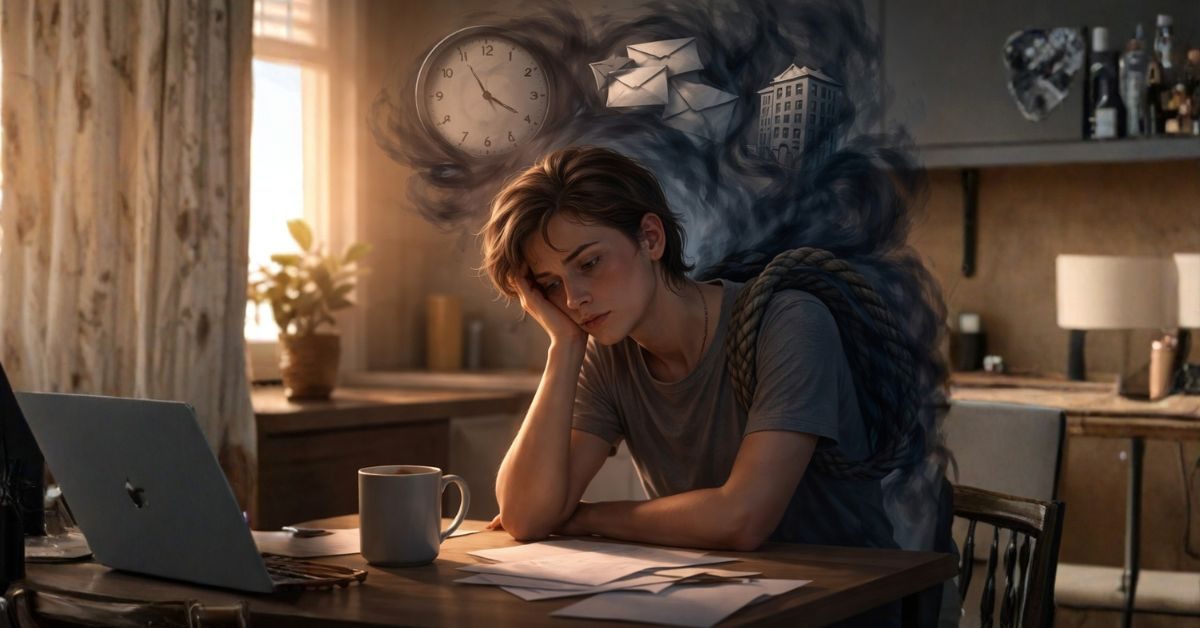
Signs and Symptoms of Stress: Positive Steps You Can Take Today
Table of Contents
You Are Not Alone
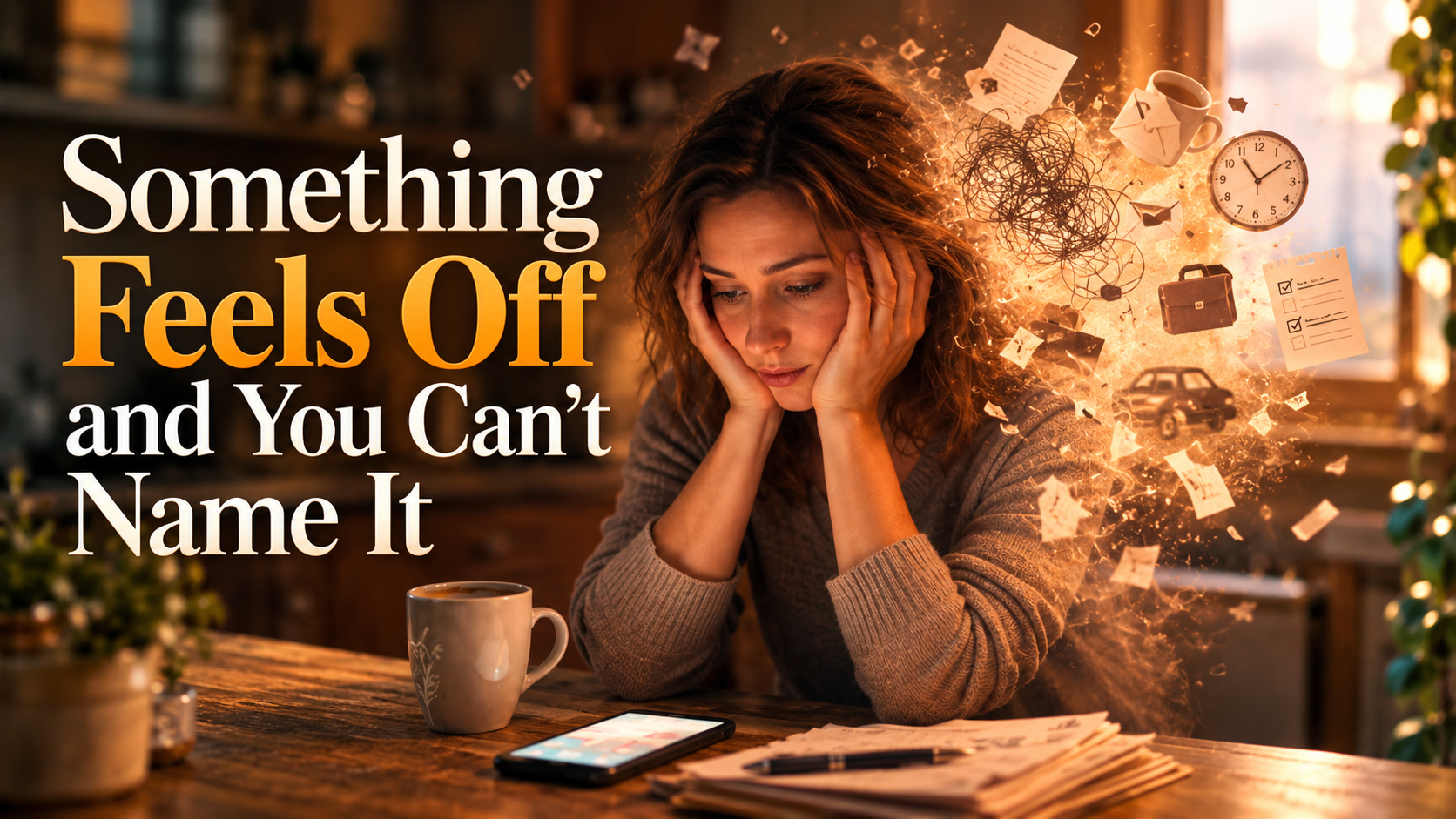
If you have been feeling worn down, overwhelmed, or just “off” lately, you are not alone. Each day, millions endure stress, often unaware its presence fuels their feelings. The good news is that you understand the signs and symptoms of stress, you can start taking positive steps to feel better.
You matter, and your well-being matters. This article helps you see what stress looks like and shows you what you can do about it. [1]
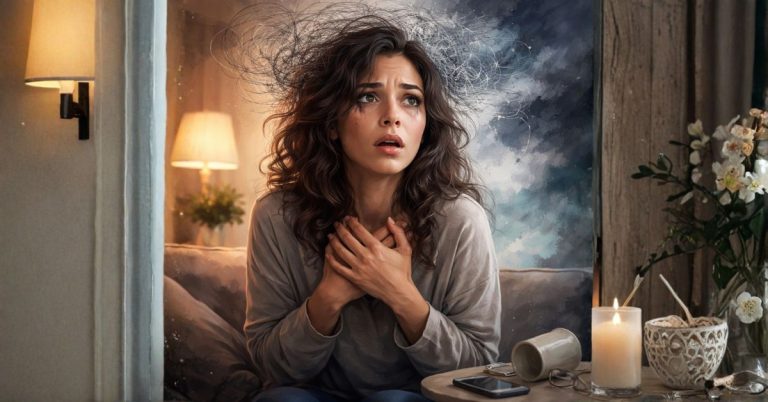
What Is Stress and Why Does It Matter?
Stress is your body’s natural response to anything that feels like a demand or a threat. When you face a challenge, your brain sends signals that release cortisol and adrenaline, hormones that paly in important part in your life. These hormones prepare you to either fight the threat or run from it. People have relied on this “fight or flight” response since the beginning of time, and it has always served a good purpose in moments of real danger. [2]
The difficulty arises when stress continues to hang around. Quick bursts of stress can help you perform better, but long-term stress wears your body and mind down. When stress stays with you day after day, it affects your health, your relationships, and your ability to enjoy life. That is why learning to spot the signs matters. [2, 3]
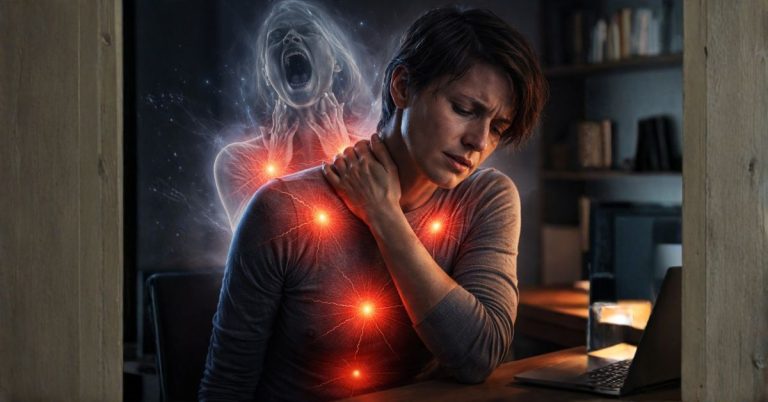
Physical Signs and Symptoms of Stress
Your body often sends the first warning signals when stress builds up. You might notice these physical symptoms and wonder what is wrong. Here are some of the most common physical signs of stress:
🛑 Your muscles tighten, especially in your neck, shoulders, and back.
🛑 You may get frequent headaches or feel tension across your forehead.
🛑 Your stomach might hurt, or you could feel nauseous.
🛑 Some people experience changes in appetite, either eating much more or much less than usual.
🛑 Sleep problems are very common, too. You might have trouble falling asleep, wake up in the middle of the night, or feel tired even after a full night of rest. [3, 4]
🛑 Your heart may beat faster than normal, or you might notice your blood pressure going up.
🛑 Some people get sick more often because long-term stress weakens the immune system. If you seem to catch every cold that comes around, stress could be playing a role.
🟢 Pay attention to what your body is telling you, because these signs are real and they deserve your attention. [3, 4]
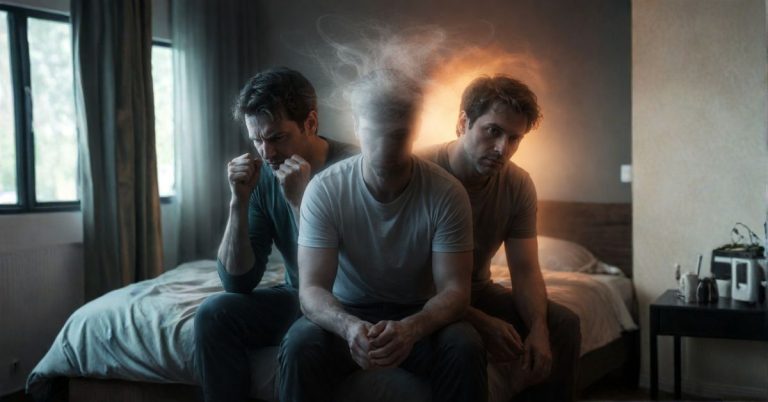
Emotional and Mental Signs of Stress
Stress does not stop at your body. It also reaches into your thoughts and emotions. Here are some indicators:
🛑 You might feel anxious or worried much of the time, even when you cannot point to a specific reason.
🛑 A sense of being overwhelmed, as though everything is piling up and you cannot keep up. This is one of the most common emotional signs of stress. [4]
🛑 You may notice that you feel irritable or short-tempered with those around you. Little things that never bothered you before suddenly feel like a big deal.
🛑 Some people feel sad, hopeless, or stuck, or they struggle to find joy in things they used to love.
🛑 Difficulty concentrating is another sign. If you read the same paragraph over and over or forget what you were just doing, stress may be the cause. [4, 5]
🛑 Feeling lonely or pulling away from friends and family is another emotional symptom. You might tell yourself that you just need to be alone, but isolation often makes stress worse.
Your feelings are valid. Recognizing them is the first step to feel better. [5]
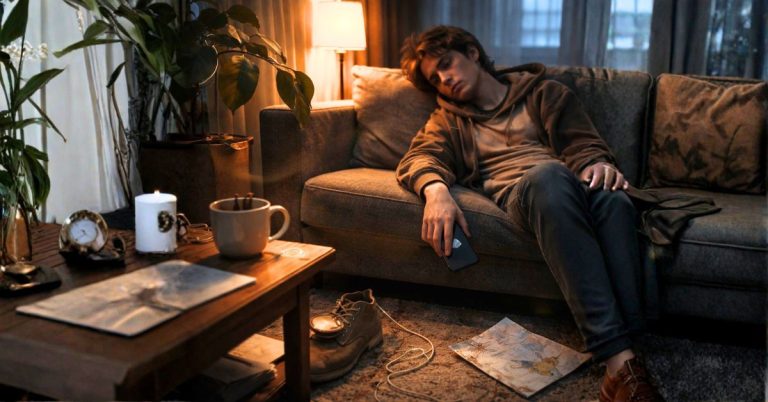
Behavioral Signs of Stress
Stress also changes the way you act. You might not even realize it is happening until someone points it out or you stop to take a good look at your habits. Some people turn to food, alcohol, or other substances for comfort when stress gets heavy. Others stop taking care of themselves, skipping meals, avoiding exercise, or neglecting responsibilities they used to handle with ease. [4, 5]
Procrastination often goes hand in hand with stress. When everything feels like too much, it becomes easier to put things off. You might withdraw from social activities or snap at loved ones without meaning to. Some people notice nervous habits like nail-biting, pacing, or picking at their skin. These behavioral changes are your mind's way of coping, but they often add more stress over time rather than relieving it. [5]
Positive Steps You Can Take Today
✅ Move Your Body. Physical activity is one of the most effective ways to reduce stress. You do not need to run a marathon. A 20-minute walk around your neighborhood, some light stretching, or a few minutes of dancing in your living room can make a real difference. Exercise releases endorphins, which are your body's natural mood boosters. [6]
✅ Breathe on Purpose. Deep breathing exercises calm your nervous system quickly. Try breathing in slowly through your nose for four counts, holding for four counts, and breathing out through your mouth for four counts. Do this a few times and notice how your body starts to relax. People have used deep breathing techniques for generations, and they still work because they are grounded in how your body was made to function. [6]
✅ Talk to Someone You Trust. Sharing what you are going through with a friend, family member, or counselor makes a difference. You were not meant to carry everything on your own. Talking about your stress helps you process it and often gives you a new perspective on your situation. [7]
✅ Set Small, Manageable Goals. When everything feels overwhelming, break your tasks into smaller pieces. Focus on one thing at a time. Completing even a small task gives you a sense of accomplishment and helps you feel more in control. [6]
✅ Protect your sleep. Good sleep is one of the best defenses against stress. Try to go to bed and wake up at the same time each day. Limit screen time before bed, keep your room cool and dark, and give yourself time to wind down. Your grandparents understood the value of a good night's rest, and that wisdom has not changed. [7]
✅ Spend Time Doing Things You Enjoy. Make room in your day for activities that bring you peace or happiness, whether that is gardening, reading, cooking, spending time outdoors, or visiting with a friend. Joy is not a luxury. It is a necessary part of a healthy life. [6, 7]

When to Ask for Help
Sometimes stress becomes more than you can handle on your own, and that is okay. If your symptoms last for weeks, if they keep you from doing your daily activities, or if you feel hopeless or out of control, it is time to reach out to a professional. A doctor or counselor can help you find the support you need. Asking for help is not a sign of weakness. It is one of the bravest and most practical things you can do for yourself. [7]

Take the Next Step
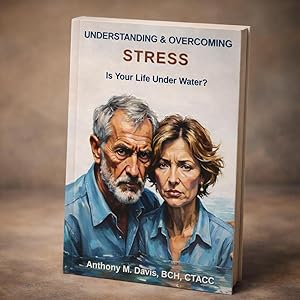
You have already taken an important step by reading this article and learning about the signs and symptoms of stress. If you want to go deeper and find even more practical tools for managing stress in your daily life, pick up a copy of "Understanding & Overcoming Stress: Is Your Life Under Water?" This book was written for people just like you, people who want to understand what stress is doing to them and learn real strategies to overcome it. You deserve to live a life that is not weighed down by stress. Get your copy today and start taking back your peace of mind.
If you find this information useful, please subscribe now and let me know what kinds of material like to see here.
References
https://www.mayoclinic.org/healthy-lifestyle/stress-management/in-depth/stress-symptoms/art-20050987 [4] National Institute of Mental Health. (2024). I'm so stressed out! National Institutes of Health. https://www.nimh.nih.gov/health/publications/so-stressed-out-fact-sheet [5] Cleveland Clinic. (2023). Stress: Signs, symptoms, management & prevention. https://my.clevelandclinic.org/health/articles/11874-stress [6] Centers for Disease Control and Prevention. (2023). Coping with stress. https://www.cdc.gov/mental-health/stress/index.html [7] Mental Health Foundation. (2023). How to manage and reduce stress.
https://www.mentalhealth.org.uk/explore-mental-health/publications/how-manage-and-reduce-stress

Comments (0)